
What Is TMJ Treatment?
TMJ treatment focuses on relieving pain and restoring function in the temporomandibular joint, the hinge that connects your jaw to your skull. Disorders of this joint can cause jaw pain, clicking, headaches, earaches and even difficulty chewing.
At Rundlehorn Smiles Dental in NE Calgary, we provide tailored treatment plans to ease your symptoms, reduce inflammation and restore your jaw's natural function. Our approach starts with a thorough evaluation to find the underlying cause of your TMJ disorder, followed by a personalized plan.
If you wake up with a sore jaw or a headache, or your jaw clicks, locks or aches when you chew, you do not have to live with it.
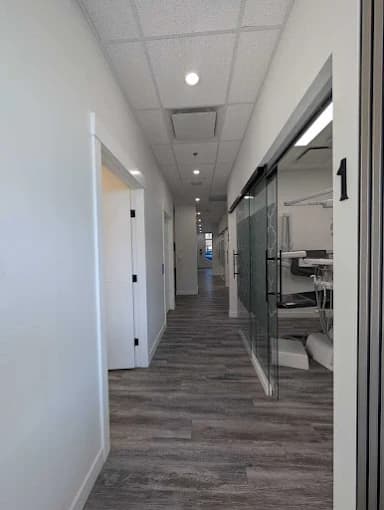
Benefits of TMJ Treatment
- Relief from chronic pain: TMJ disorders often lead to daily discomfort, including jaw soreness, facial pain and tension headaches. Our treatments target the root cause of your pain, offering long-term relief.
- Improved jaw function: Treatment can restore your ability to open and close your mouth without pain, stiffness or locking, making everyday tasks like eating and speaking more comfortable.
- Protection for your teeth: Managing clenching and grinding helps protect your teeth from wear, chips and cracks.
- Personalized support: Tailored dental care that respects your unique health needs.
Signs and Symptoms of TMJ Disorder
- Jaw pain or soreness, especially when chewing
- Clicking, popping or grating sounds when you open or close your mouth
- Headaches, including tension headaches and morning headaches
- Earaches or a feeling of fullness in the ears
- Facial pain or tension, and tight muscles in the jaw, neck or shoulders
- Jaw locking, stiffness or limited movement
- Difficulty chewing, or a bite that feels uneven
- Worn, chipped or sensitive teeth from clenching or grinding
Not all jaw pain is a TMJ disorder, so an exam is the best way to find out what is going on.
Common Causes of TMJ Pain
TMJ problems develop for many reasons, and often more than one is involved.
- Clenching or grinding your teeth, often during sleep, which strains the joint and jaw muscles
- Muscle tension from stress
- A jaw injury, such as a blow or a fall
- Arthritis or other wear in the joint
- A bite that does not fit together comfortably
Finding the cause helps us choose the treatment that will help you most.
What Is Included in Your TMJ Treatment
- A thorough evaluation of your symptoms, jaw movement and bite alignment
- X-rays, and in some cases other imaging such as a CBCT scan, if we recommend it to confirm the diagnosis
- A clear explanation of what is causing your symptoms
- A personalized treatment plan
- Treatment options that may include a bite splint or night guard, oral appliances, physical therapy exercises, medication and lifestyle changes
- Guidance on protecting your jaw at home
- Follow-up visits to check how you are doing
- A written estimate before treatment begins
Night Guards for Teeth Grinding
Many TMJ symptoms are linked to grinding or clenching your teeth, often without realizing it. A night guard is a custom-fitted appliance that you wear while you sleep. It creates a barrier between your upper and lower teeth, reduces the strain on your jaw muscles and joints and protects your teeth from wear.
A night guard made for your mouth fits far better than a store-bought one, which may not fit your bite and can sometimes make symptoms worse. Most people adjust to wearing one within a few nights. We check the fit and how you are feeling at your follow-up visit.
What to Expect at Your Visit
- A conversation. We ask about your symptoms, when they started, what makes them better or worse and what you have already tried.
- An exam. We check your jaw movement, your bite and the muscles around your jaw, and take X-rays or other imaging if needed.
- A clear explanation. We tell you what we found and what is most likely causing your symptoms.
- Your treatment plan. We recommend a personalized plan and give you an itemised estimate.
- Follow-up. We check your progress and adjust your plan as needed.
Simple Steps to Ease Jaw Pain at Home
While you are getting treatment, these steps can help settle a sore jaw:
- Eat softer foods and cut food into small pieces, and avoid very chewy foods such as gum, tough meat and bagels
- Apply a warm, moist cloth to the sore area for 10 minutes, or a cold pack if the joint feels swollen
- Gently massage the muscles at the side of your jaw
- Keep your teeth slightly apart and your tongue resting on the roof of your mouth, so you do not clench
- Avoid opening your mouth very wide, such as when yawning or biting large foods
- Find ways to manage stress, because tension often shows up in the jaw
If your pain is severe or your jaw locks, call us at 403-300-2233.
Why Choose Rundlehorn Smiles Dental for TMJ Treatment
- Personalized TMJ plans built around your symptoms and your bite
- Non-invasive, gentle therapies that focus on relieving pain and improving jaw function
- Four general dentists who explain the why before the what, with no pressure
- Your general dental care, sedation options and TMJ care under one roof
- Open seven days a week: Monday to Saturday 8 AM to 8 PM and Sunday 10 AM to 5 PM
- Direct billing to most major insurers
Related Treatments
- Oral Exams and X-Rays: A thorough check of your teeth, bite and jaw.
- Dental Crowns and Bridges: Rebuild teeth that have been worn down by grinding.
- Invisalign: Straighten teeth that may be contributing to an uneven bite.
- Sedation Dentistry: Stay relaxed during your dental care.
Cost of TMJ Treatment in NE Calgary
The cost of TMJ treatment depends on the option you choose, such as a night guard or another appliance, and on the plan we build for you. After your evaluation, we give you a written, itemised estimate before any treatment begins, so you always know what to expect.
Coverage for TMJ treatment varies by plan, so call us with your plan details and we will help you understand what applies. We direct bill most major insurers, and flexible payment options are available. Call us at 403-300-2233 for a personalized quote.
Frequently Asked Questions
What is TMJ disorder and what are the signs?
TMJ disorder is a problem with the temporomandibular joint, the hinge that connects your jaw to your skull. Common signs include jaw pain, clicking or popping sounds, headaches, earaches, facial tension and difficulty opening or closing your mouth.
How is TMJ disorder treated?
Treatment depends on the cause and may include a bite splint or night guard, oral appliances, physical therapy exercises, medication and lifestyle changes. Many patients find their symptoms ease with a personalized plan, and we explain what to expect for your case.
Is TMJ treatment painful?
Most TMJ treatments focus on gentle therapies that reduce pain and improve jaw function over time. A night guard is worn while you sleep and most people adjust to it within a few nights.
What causes TMJ pain?
TMJ pain can come from clenching or grinding your teeth, a jaw injury, arthritis, muscle tension from stress or a bite that does not fit together comfortably. An exam helps us find the likely cause.
When should I see a dentist for jaw pain?
See a dentist if jaw pain lasts more than a few days, your jaw clicks or locks, you get frequent headaches or chewing is painful. Early care usually means simpler treatment. If your jaw is injured in a fall or accident, call us the same day.
Book Your TMJ Appointment
We're accepting new patients every day and hold time for urgent cases. Monday to Saturday 8 AM to 8 PM, Sunday 10 AM to 5 PM.