
About Periodontal (Gum) Care
Periodontal care focuses on preventing, diagnosing and treating gum disease, an infection of the gums and the bone that support your teeth. It usually begins when plaque and bacteria build up along the gumline, causing inflammation and bleeding. Without treatment, it can lead to loose teeth and tooth loss.
At Rundlehorn Smiles Dental in NE Calgary, our dentists assess your gum health carefully and build a treatment plan around what they find. Whether you have early gum disease or a more advanced problem, we explain what is happening in plain language and what each option involves. If your case ever needs care beyond what we provide, we will tell you clearly.
The earlier gum disease is treated, the simpler the treatment. If you have noticed bleeding gums or persistent bad breath, gum disease treatment in NE Calgary starts with a single exam.
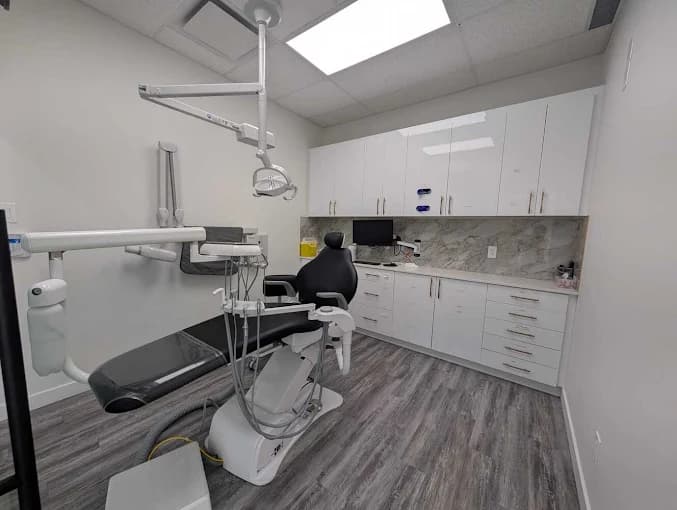
Benefits of Periodontal (Gum) Care
- Prevents tooth loss: Gum disease is a leading cause of adult tooth loss, and early care helps preserve your natural teeth.
- Improves breath and comfort: Treatment reduces inflammation, bleeding and chronic bad breath caused by infection.
- Supports your overall health: Healthy gums reduce your risk of heart disease, stroke and diabetes complications.
- Strengthens oral hygiene: Regular periodontal care helps maintain cleaner teeth and a healthier mouth for the long term.
Stages of Gum Disease
Gingivitis is the earliest stage. Plaque irritates the gums, which look red or puffy and may bleed when you brush or floss. At this stage there is no lasting damage, and professional cleaning with good home care can often reverse it.
Periodontitis develops when gingivitis is left untreated. The gums pull away from the teeth, pockets form and the bone supporting the teeth starts to break down. This damage cannot be reversed, but treatment can stop it from getting worse and keep your teeth stable.
Advanced periodontitis can cause teeth to loosen, shift or be lost. Because gum disease is often painless, many people do not realize they have it until it has progressed, which is why regular exams matter.
Signs You May Need Gum Disease Treatment
- Gums that bleed when you brush or floss
- Gums that look red, swollen or tender
- Gums that have pulled away from your teeth
- Deep gum pockets that you were told about at a previous visit
- Teeth that feel loose or have shifted
- Persistent bad breath or a bad taste in your mouth
If you notice any of these, book an exam. Gum disease is much easier to treat early.
What Is Included in Periodontal Care
- A thorough gum exam, including measuring the depth of the pockets around each tooth
- X-rays to check the bone that supports your teeth
- A professional cleaning to remove plaque and tartar
- A deep cleaning below the gumline, called Scaling and Root Planing, when it is needed
- Localized antibiotics in selected areas when appropriate
- A more frequent hygiene schedule to keep gum disease under control
- Personalized coaching on brushing, flossing and other home care
- Ongoing monitoring so we can spot changes early
What to Expect at Your Visit
- Gum exam. We look closely at your gums and measure the pocket depth around your teeth.
- X-rays. We review X-rays to see the bone that supports your teeth.
- Clear diagnosis and plan. We explain what we found and tailor a plan for you, which may include a deep cleaning, localized antibiotics and a more frequent hygiene schedule.
- Written estimate. You receive an itemised estimate before treatment starts.
- Treatment. We carry out your treatment as gently as possible, with local numbing when needed.
- Maintenance. We schedule follow-up visits to keep your gums healthy over time.
Recovery and Aftercare
Most patients return to normal activities right away. Your gums may feel tender and your teeth a little sensitive for a day or two after a deep cleaning. Brush gently with a soft toothbrush, floss daily and stay on the hygiene schedule we recommend. Bleeding usually improves within days as your gums heal. Call us at 403-300-2233 if pain or bleeding gets worse instead of better.
Why Choose Rundlehorn Smiles Dental for Gum Care
- Dentists who explain the why before the what, with no pressure
- A thorough exam that looks for the root cause, not just the symptom
- A calm pace, gentle techniques and sedation options for anxious patients
- Gum treatment is among the services commonly covered for eligible patients under the Canadian Dental Care Plan, and we are a participating provider
- Open seven days a week: Monday to Saturday 8 AM to 8 PM and Sunday 10 AM to 5 PM
- One family dental clinic for every age
Related Treatments
- Scaling and Root Planing: A deep cleaning below the gumline to stop gum disease from progressing.
- Bad Breath Treatment: Find and treat the cause of bad breath that will not go away.
- Dental Cleanings: Routine professional cleanings to keep healthy gums healthy.
- Oral Exams and X-Rays: A full check of your teeth, gums and bone.
Cost of Periodontal (Gum) Care in NE Calgary
The cost of gum care depends on how far the gum disease has progressed and which treatments you need, from a professional cleaning to a deep cleaning and follow-up maintenance visits. After your exam, we give you a written, itemised estimate before any treatment begins.
We direct bill most major insurers, and we are a participating provider for the Canadian Dental Care Plan, which commonly covers gum treatment for eligible patients. Some services may need preauthorization, which our team handles for you. Flexible payment options are available for larger treatments. Call us at 403-300-2233 for a personalized quote.
Frequently Asked Questions
What are the signs of gum disease?
Common signs include gums that bleed when you brush or floss, red or swollen gums, bad breath that does not go away, gums pulling away from the teeth and teeth that feel loose or have shifted. Early gum disease can be painless, so a dental exam is the best way to confirm it.
Can gum disease be reversed?
Early gum disease, called gingivitis, can often be reversed with a professional cleaning and better home care. Periodontitis, the more advanced stage, cannot be fully reversed because bone and tissue loss is permanent, but treatment can stop it from progressing and keep your teeth stable.
Is periodontal treatment painful?
Most patients report minimal discomfort. We use gentle techniques, and local numbing can be used for deeper cleanings. You may feel some tenderness in your gums for a day or two afterwards.
What are the stages of gum disease?
Gum disease starts as gingivitis, when plaque irritates the gums and causes redness, swelling and bleeding. Left untreated it can progress to periodontitis, where the gums pull away from the teeth, pockets form and the bone that supports the teeth begins to break down. Advanced periodontitis can lead to loose teeth and tooth loss.
How much does gum disease treatment cost in Calgary, and is it covered?
The cost depends on how far the gum disease has progressed and which treatment you need. We give you a written, itemised estimate before treatment starts. Gum treatment is among the services commonly covered for eligible Canadian Dental Care Plan patients, and we direct bill most major insurers.
Book Your Gum Care Appointment
We're accepting new patients every day and hold time for urgent cases. Monday to Saturday 8 AM to 8 PM, Sunday 10 AM to 5 PM.